A hotel reservation engine has become one of the most critical tools for the modern hospitality industry. It not only allows guests to book directly through a hotel’s website but also streamlines operations, increases revenue, and improves customer satisfaction. Understanding how these engines work, their real-world applications, and their advantages can help hoteliers choose the right technology to stay competitive in today’s market.
What is a Hotel Reservation Engine?
A hotel reservation engine is an online booking system integrated into a hotel’s website that allows guests to check availability, view rates, and confirm reservations in real-time. Unlike third-party booking platforms, a reservation engine enables direct bookings, helping hotels reduce dependency on Online Travel Agencies (OTAs) and retain more revenue.
These engines are designed with features such as calendar integration, dynamic pricing, payment processing, and automated confirmations. They provide both the hotel and its guests with a seamless booking experience. For guests, the process is quick, transparent, and convenient. For hotels, the system ensures better management of room inventory, pricing strategies, and guest data collection.
How a Hotel Reservation Engine Works
At its core, a reservation engine acts as a bridge between the hotel’s Property Management System (PMS) and the guest. When a visitor lands on a hotel website and searches for available dates, the reservation engine pulls live data from the PMS, displaying real-time availability and prices.
Once the guest selects a room and confirms the booking, the system processes payments (if required), sends automated confirmation emails, and updates the hotel’s inventory across all connected channels. Advanced engines also integrate with channel managers, ensuring consistency between direct bookings and external OTA platforms.
This automation not only saves time for hotel staff but also minimizes overbookings, double bookings, and human error.
Benefits of Using a Hotel Reservation Engine
Increased Direct Bookings
Hotels can rely less on third-party booking platforms and encourage guests to book directly through their website. This reduces commission costs and increases profit margins.
Improved Guest Experience
Guests can enjoy a smooth booking process that includes clear availability, instant confirmation, and flexible payment options. A good user experience increases the likelihood of repeat bookings.
Enhanced Revenue Management
Modern reservation engines come equipped with revenue optimization tools, enabling dynamic pricing, upselling, and cross-selling opportunities. Hotels can offer add-ons like breakfast, spa services, or late check-outs at the time of booking.
Operational Efficiency
The automation of reservations, payment processing, and confirmations reduces the workload on hotel staff, allowing them to focus on guest service rather than manual administrative tasks.
Better Data Collection
Reservation engines gather valuable data on guest preferences, booking patterns, and demographics. This information helps hotels create personalized offers and improve marketing campaigns.
Real-World Examples of Hotel Reservation Engines
Cloudbeds Booking Engine

Cloudbeds is a widely used hospitality management platform with a powerful reservation engine. It provides real-time availability, secure payment processing, and integrates seamlessly with OTAs and channel managers. Hotels benefit from its user-friendly interface and multilingual support, making it ideal for international travelers.
Cloudbeds also offers advanced reporting features, giving hoteliers insights into booking performance, customer behavior, and revenue trends. Reducing reliance on OTAs helps properties maintain control over their pricing and guest relationships.
SiteMinder Booking Engine
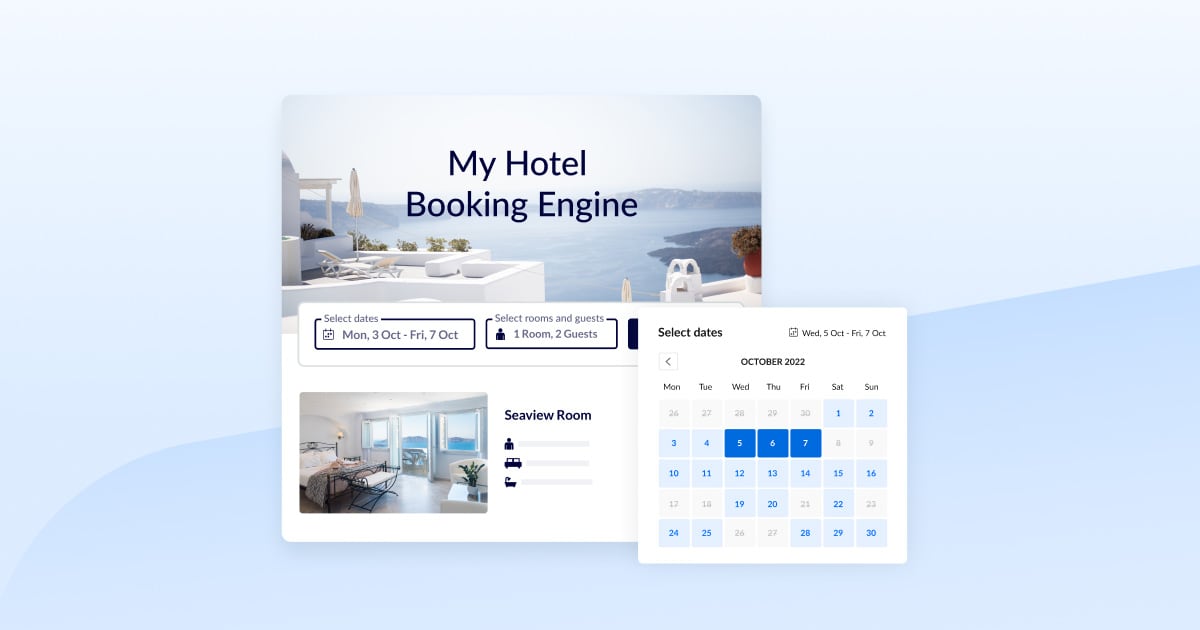
SiteMinder is a global hotel commerce platform that includes one of the most trusted booking engines in the industry. Its reservation engine is built to convert website visitors into direct bookings with features like mobile-friendly design, promotions, and upselling tools.
Hotels using SiteMinder can customize the engine to match their branding, ensuring a consistent guest experience from browsing to booking. Its integration with hundreds of PMS and channel managers makes it a flexible solution for both independent hotels and large chains.
SynXis Booking Engine by Sabre Hospitality

SynXis is another example of a robust hotel reservation engine designed for large-scale operations. It supports multiple languages and currencies, catering to hotels that serve global travelers.
What sets SynXis apart is its deep integration with distribution networks and marketing tools. It allows hoteliers to run targeted promotions, analyze performance, and manage bookings across direct and indirect channels. Its scalability makes it a popular choice for international hotel groups.
Little Hotelier Booking Engine
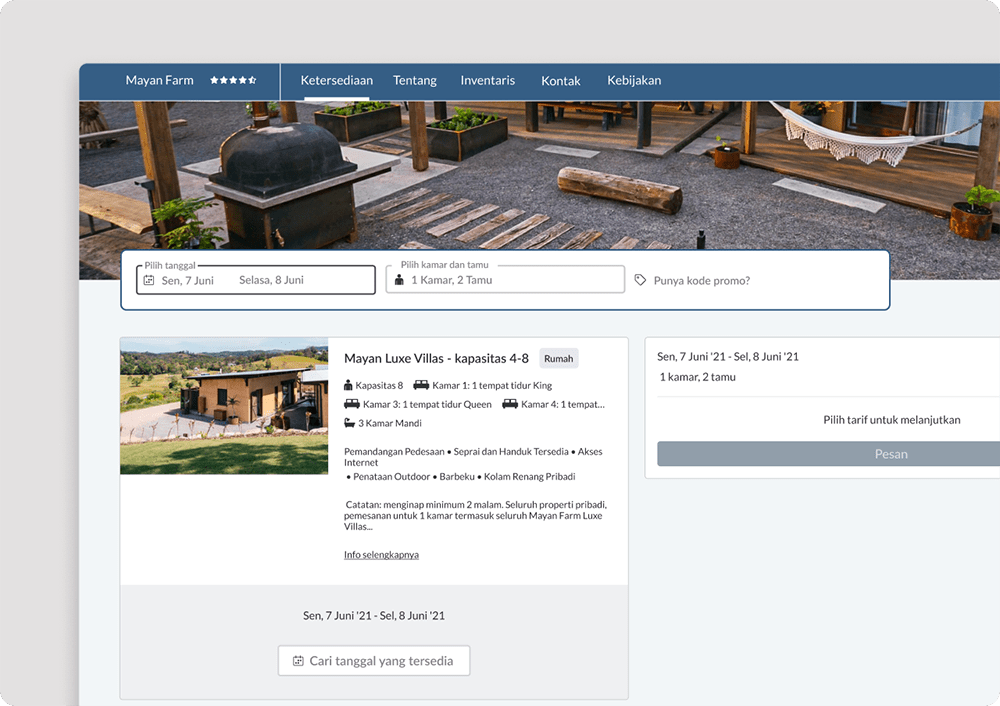
Little Hotelier focuses on small to mid-sized hotels, B&Bs, and boutique properties. Its reservation engine is designed to be simple yet effective, giving smaller operators access to the same technology as larger chains.
Guests can book directly from the hotel’s website or social media platforms, while the hotel gains access to automated payments, calendar syncing, and guest management tools. This democratization of booking technology has allowed independent hoteliers to compete effectively in the digital era.
Practical Use Cases of Hotel Reservation Engines
Solving Overbooking Issues
Manual reservation tracking often leads to overbookings. A hotel reservation engine updates room availability in real-time, reducing errors and ensuring guests receive accurate information.
Increasing Mobile Bookings
More travelers now prefer booking via mobile devices. A mobile-optimized reservation engine allows hotels to capture this growing segment by providing a fast and seamless booking experience.
Enabling Personalization
By analyzing guest preferences and booking history, hotels can provide customized offers during the booking process. For example, returning guests might be offered loyalty discounts or tailored add-on services.
Supporting International Travelers
Multilingual and multi-currency capabilities ensure that guests from around the world can book without confusion. This feature is especially beneficial for hotels in tourist-heavy destinations.
Driving Ancillary Revenue
Beyond room bookings, hotels can promote spa treatments, guided tours, airport transfers, and other services through their reservation engine. This not only boosts revenue but also enhances the guest experience.
Why a Hotel Reservation Engine is Essential Today
The hospitality industry has become increasingly competitive, with OTAs dominating much of the online booking market. A hotel reservation engine allows hotels to regain control over their bookings, strengthen their brand presence, and foster direct relationships with guests.
For travelers, the convenience of a simple, secure, and transparent booking process is invaluable. For hotels, the ability to increase revenue, reduce operational errors, and gain data-driven insights makes a reservation engine an indispensable tool in today’s digital age.
Frequently Asked Questions
1. What is the difference between a hotel reservation engine and a channel manager?
A reservation engine manages direct bookings through the hotel’s website, while a channel manager distributes inventory across third-party booking platforms like OTAs. Many systems integrate both for better efficiency.
2. Can small hotels benefit from a reservation engine?
Yes. Even small B&Bs or boutique hotels can benefit from reservation engines, as they simplify booking processes, reduce errors, and allow properties to compete with larger hotels by offering professional online booking options.
3. Is it expensive to implement a hotel reservation engine?
The cost varies depending on the provider and features, but many platforms offer affordable solutions tailored for both small and large properties. The long-term benefits, such as reduced OTA commissions and increased direct bookings, often outweigh the initial investment.