The hospitality industry has undergone a rapid transformation over the past decade, with technology taking center stage in enhancing guest experiences and streamlining operations. One of the most critical tools driving this change is hospitality booking software. From boutique hotels to large-scale resorts, adopting efficient booking solutions has become essential to staying competitive in today’s digital-first travel landscape.
This article provides an in-depth look at hospitality booking software, its benefits, real-world examples, and practical use cases that illustrate why it has become indispensable for modern hospitality businesses.
What is Hospitality Booking Software?
Insert image of the product
Hospitality booking software is a specialized digital solution that enables hotels, resorts, vacation rentals, and other accommodation providers to manage reservations seamlessly. At its core, the software allows guests to book rooms online through websites, mobile apps, or third-party platforms, while helping hotel staff manage availability, pricing, and guest data.
Unlike traditional booking methods, which often relied on manual input and outdated spreadsheets, modern hospitality booking software integrates with property management systems, payment gateways, and even marketing platforms. This integration ensures real-time updates, eliminates double bookings, and provides valuable insights into customer behavior.
Key Features of Hospitality Booking Software
Insert image of the product
Most booking platforms share a common set of features designed to streamline operations:
- Real-time availability management: Prevents overbookings and ensures accurate inventory updates.
- Automated payment processing: Supports multiple payment methods securely.
- Channel management: Connects with OTAs (Online Travel Agencies) like Booking.com or Expedia.
- Customizable booking engines: Integrates into hotel websites with brand-consistent design.
- Analytics and reporting: Provides data-driven insights into occupancy rates and revenue.
Each of these features contributes to reducing operational burdens while maximizing occupancy and revenue opportunities.
Benefits of Using Hospitality Booking Software
Insert image of the product
Implementing hospitality booking software brings several benefits that go beyond simple room reservations.
Streamlined Operations
One of the biggest advantages is automation. Staff members no longer need to manually track reservations or reconcile multiple booking sources. The system automatically updates availability, prices, and guest records in real-time.
Improved Guest Experience
Today’s travelers expect convenience and flexibility. With online booking engines integrated into websites and mobile apps, guests can reserve rooms instantly, receive automated confirmations, and even customize their stay. This creates a smoother journey from booking to check-out.
Revenue Growth
Dynamic pricing and upselling options help maximize revenue per booking. Hotels can offer packages, add-on services, or special discounts based on demand and seasonality, directly from the software interface.
Better Decision Making
With access to analytics, hospitality managers can forecast demand, track guest preferences, and optimize operational strategies to improve profitability and customer satisfaction.
Real-World Examples of Hospitality Booking Software
Cloudbeds

Cloudbeds is a widely recognized hospitality booking solution used by hotels, hostels, and vacation rentals worldwide. It offers a complete platform with a booking engine, channel manager, and payment integrations. One of its strengths is its ability to synchronize room availability across multiple channels instantly, reducing the risk of overbooking.
Cloudbeds also includes marketing tools that help small and medium-sized hotels compete with larger chains by offering promotions and tracking guest engagement. This makes it an ideal choice for independent properties seeking to scale without losing operational efficiency.
SiteMinder
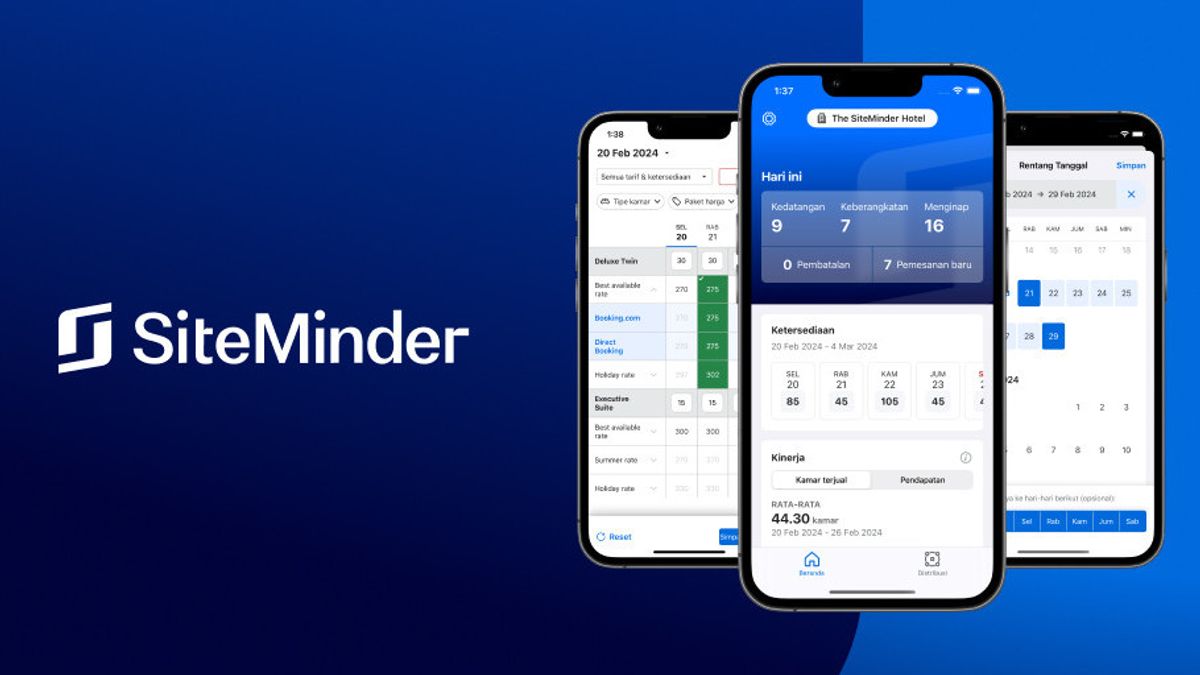
SiteMinder is best known for its powerful channel management and booking engine capabilities. It connects properties to hundreds of online travel agencies while keeping availability and pricing consistent across platforms.
In addition to distribution, SiteMinder provides insightful data analytics, helping hotels optimize performance by identifying which channels drive the most bookings. This allows hoteliers to fine-tune their strategy and reduce reliance on costly intermediaries.
Little Hotelier
![Aplikasi Manajemen Hotel [Aplikasi Little Hotelier] | Unduh Gratis](https://www.littlehotelier.com/wp-content/uploads/2024/09/mobile-app-header-sep2024.png)
Its strength lies in enabling small-scale properties to compete in the digital marketplace without requiring extensive technical knowledge. The software also provides reporting tools that help owners track business performance effortlessly.
RezOvation
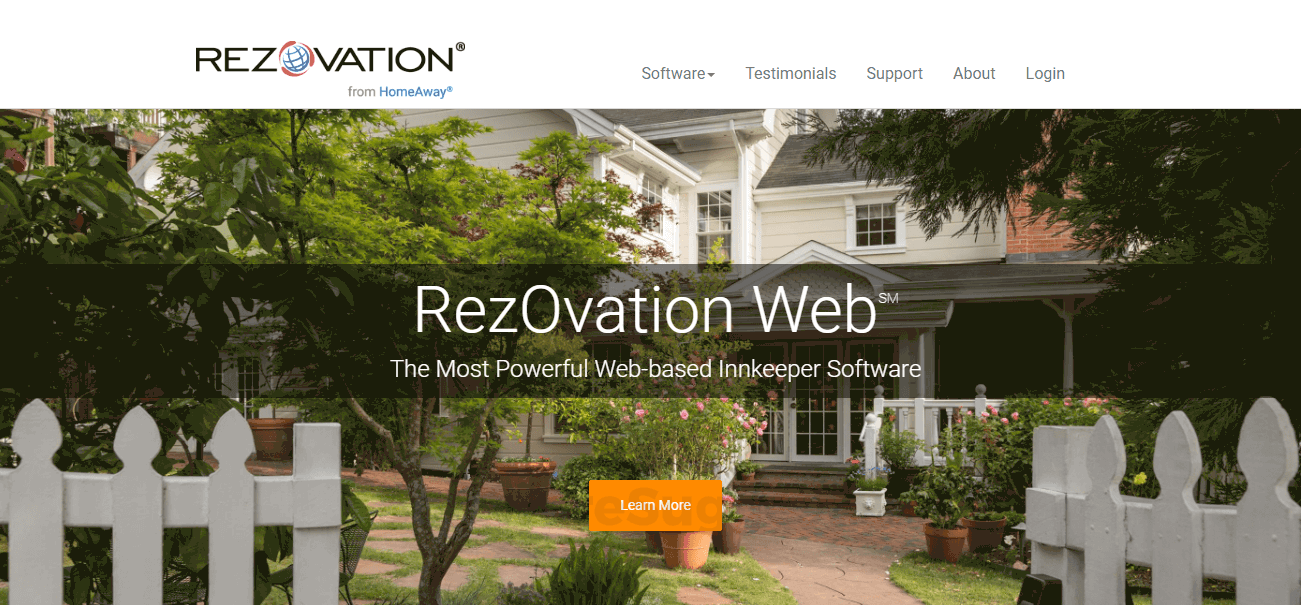
RezOvation caters primarily to inns and B&Bs, offering a blend of property management and booking engine tools. It supports online reservations, guest communication, and even loyalty program management.
This software stands out for its focus on guest relationship management. It enables properties to store guest histories and preferences, allowing for personalized services and repeat business opportunities.
Use Cases of Hospitality Booking Software
Preventing Overbookings
Hotels often list rooms across multiple OTAs. Without a centralized system, this can lead to double bookings and guest dissatisfaction. Booking software ensures real-time synchronization across all platforms, reducing errors.
Streamlining Check-In and Check-Out
By integrating booking data with property management systems, staff can quickly process arrivals and departures, saving time for both employees and guests.
Enhancing Marketing Campaigns
With built-in data analytics, hotels can track guest demographics and booking patterns. This data can be used to create targeted marketing campaigns, increasing repeat bookings and customer loyalty.
Supporting Contactless Travel
In the era of digital-first hospitality, many systems support contactless check-in, digital payments, and mobile room keys. This not only improves convenience but also aligns with modern safety and hygiene expectations.
Why Hospitality Booking Software is Essential Today
The hospitality industry is more competitive than ever, and guest expectations continue to rise. Whether it’s the need for instant online bookings, personalized experiences, or seamless digital check-ins, hospitality booking software has become a critical enabler for success.
Without it, hotels risk losing revenue opportunities, mismanaging bookings, and delivering poor guest experiences. By adopting the right solution, properties of all sizes can enhance efficiency, build stronger guest relationships, and position themselves for long-term growth.
Frequently Asked Questions
1. Is hospitality booking software suitable for small hotels or only large resorts?
Hospitality booking software is scalable and available in solutions tailored to both small and large properties. Tools like Little Hotelier are designed specifically for boutique hotels and B&Bs.
2. Can hospitality booking software integrate with online travel agencies (OTAs)?
Yes, most modern solutions include channel management features that synchronize availability and rates across platforms like Booking.com, Expedia, and Airbnb.
3. What is the biggest benefit of using hospitality booking software?
The primary advantage is operational efficiency. It automates reservations, eliminates double bookings, and improves the guest booking experience, all of which contribute to higher revenue and guest satisfaction.