Finding the best room booking system is essential for organizations, hotels, co-working spaces, and event venues that need efficient scheduling and seamless user experiences. A well-designed booking system streamlines reservations, eliminates conflicts, and improves operational efficiency. In this guide, we will explore what a room booking system is, why it is important, real-world product examples, the benefits of using technology in room scheduling, and practical use cases that highlight its value.
Understanding What a Room Booking System Is
A room booking system is a software platform that allows users to reserve rooms or spaces in an organized and automated way. It can be used across industries such as hospitality, corporate environments, universities, healthcare facilities, and co-working spaces. Unlike manual booking processes that rely on phone calls, emails, or spreadsheets, room booking software centralizes scheduling into a single digital system.
This automation ensures that users can quickly find available slots, avoid double bookings, and access real-time availability. Modern booking systems often integrate with calendars, mobile apps, and even smart hardware like door locks or display panels, making them versatile solutions for managing shared spaces.
Why Choosing the Best Room Booking System Matters
Selecting the best room booking system is not just about convenience—it directly affects productivity, customer satisfaction, and revenue. For instance, in the hospitality industry, a booking error can lead to dissatisfied guests, while in corporate environments, inefficient meeting room scheduling can waste valuable employee time.
The right system reduces friction by offering features like automated confirmations, customizable booking rules, and analytics to understand room utilization. Organizations that adopt these systems often see improved space management and higher satisfaction among both staff and clients.
Benefits of Using Room Booking Technology
Adopting the best room booking system offers a range of benefits that go beyond simple scheduling.
Streamlined Reservation Process
Room booking technology removes the need for back-and-forth communication. Employees, guests, or students can see available slots in real-time and book instantly. This reduces administrative workload and minimizes human error.
Improved Space Utilization
Analytics features in booking software help organizations understand how rooms are being used. For example, a business may discover that large meeting rooms are underutilized, while smaller ones are overbooked. Insights like this allow for better planning and space optimization.
Enhanced User Experience
Users appreciate systems that are intuitive, fast, and reliable. A mobile-friendly platform or integration with workplace tools like Microsoft Outlook or Google Calendar ensures seamless adoption.
Reduced Double Bookings and Conflicts
Automation prevents overlapping reservations, ensuring that multiple people cannot book the same room simultaneously. This builds trust and avoids unnecessary disputes.
Cost Savings and Efficiency
By reducing wasted space, preventing scheduling errors, and minimizing administrative time, businesses save money. The long-term cost efficiency is a key reason why organizations invest in advanced room booking software.
Real-World Examples of the Best Room Booking Systems
To better understand how these systems work in practice, let’s look at several popular room booking solutions that are widely used across industries.
Skedda
.jpg)
Skedda is a cloud-based room booking platform tailored for coworking spaces, universities, sports facilities, and offices. It stands out for its elegant design and self-service functionality, which allows users to view availability, book rooms, and even manage recurring reservations.
One of the major strengths of Skedda is its integration capability. It connects seamlessly with calendar systems like Google Calendar and Outlook, ensuring that all bookings stay synchronized. Skedda also provides customizable booking rules, allowing administrators to set restrictions on time slots, cancellations, or pricing models for monetized spaces.
By giving organizations transparency and control, Skedda helps reduce administrative overhead and ensures fair access to shared spaces.
Robin
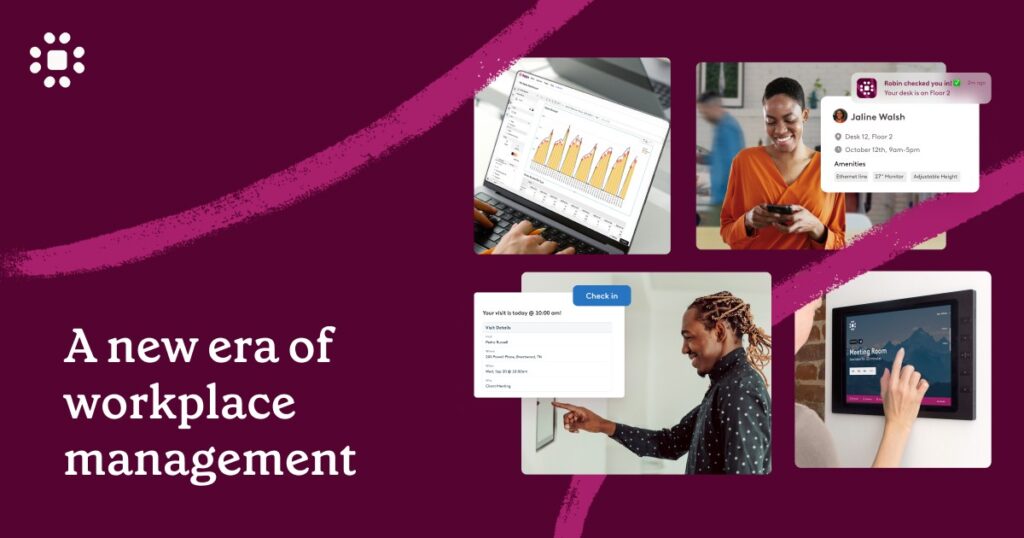
Robin is a workplace experience and room booking system designed for modern offices. Beyond just scheduling meeting rooms, Robin focuses on creating a smart workplace ecosystem. It integrates with desk booking, visitor management, and even interactive floor maps.
Employees benefit from its intuitive mobile app, where they can quickly find and book available spaces. For managers, Robin provides analytics on room usage, no-show rates, and overall workplace efficiency. The visual floor plan view also helps organizations see which areas are in high demand.
Robin is especially popular in hybrid work environments where flexibility and transparency in room management are essential.
Condeco
Condeco is a robust enterprise-level room booking solution used by global corporations. It offers a wide range of features, including meeting room scheduling, desk booking, catering services, and video conferencing integration.
Its strength lies in its scalability and advanced reporting. Large organizations with multiple locations use Condeco to manage complex scheduling needs across different time zones and facilities. Users can book rooms directly from Outlook or via digital room displays mounted outside meeting areas.
Condeco’s focus on enterprise-grade customization and detailed analytics makes it ideal for companies that require advanced resource management.
Envoy

Envoy is another room booking solution known for enhancing workplace operations. It offers intuitive scheduling through mobile apps and integrates with major workplace platforms. What makes Envoy unique is its emphasis on user experience and automation—such as automatically freeing up rooms if meetings are canceled or attendees do not check in.
Its reporting tools also help organizations identify wasted space and improve efficiency. Envoy works especially well in dynamic office environments where teams often shift between spaces and require quick, reliable scheduling tools.
Practical Use Cases of Room Booking Systems
Room booking systems are versatile and can address a wide range of challenges across industries.
Hotels and Hospitality
Hotels use room booking software to manage reservations, prevent overbooking, and provide real-time availability to guests. This ensures smooth check-ins and builds customer trust.
Corporate Workplaces
In hybrid office environments, employees need access to meeting rooms, desks, and collaboration spaces. A booking system ensures that teams can find available spaces without confusion or wasted time.
Education and Universities
Universities often manage study rooms, labs, and lecture halls. Room booking software ensures students can reserve these spaces fairly, preventing conflicts and enhancing academic productivity.
Healthcare Facilities
Hospitals and clinics require precise scheduling of consultation rooms, labs, and even operating theaters. A booking system ensures that critical resources are managed efficiently and available when needed.
Event Venues
From conference centers to sports complexes, booking systems handle complex scheduling for multiple rooms or fields, ensuring smooth coordination for events of all sizes.
Frequently Asked Questions
1. What makes a room booking system effective?
An effective room booking system offers real-time availability, prevents double bookings, integrates with popular calendar tools, and provides analytics to improve space utilization.
2. Can small businesses benefit from room booking software?
Yes, small businesses benefit significantly. Even for a few meeting rooms or coworking desks, having a digital booking system saves time, prevents conflicts, and enhances professionalism.
3. How do room booking systems integrate with other tools?
Most modern systems integrate with calendar platforms like Google Workspace and Microsoft Outlook. Some also connect with visitor management, access control, or video conferencing systems for a seamless experience.